

Centers, Institutes and Affiliates
Meeting Florida’s Educational Needs
By partnering with public schools, school districts and communities, UF College of Education faculty are working through several college-designated centers, institutes and affiliates to meet Florida’s varied and fast-changing educational needs.
Among them are closing the achievement gap among students of different races, learning capabilities and class distinctions. Though their methods may differ, these centers, institutes and affiliates are designed to enhance school improvement, student achievement and teacher retention; to address the needs of students with learning disabilities; to improve learning outcomes for students in high-poverty and at-risk K-12 schools; and to advance education and leadership at the college and university levels.
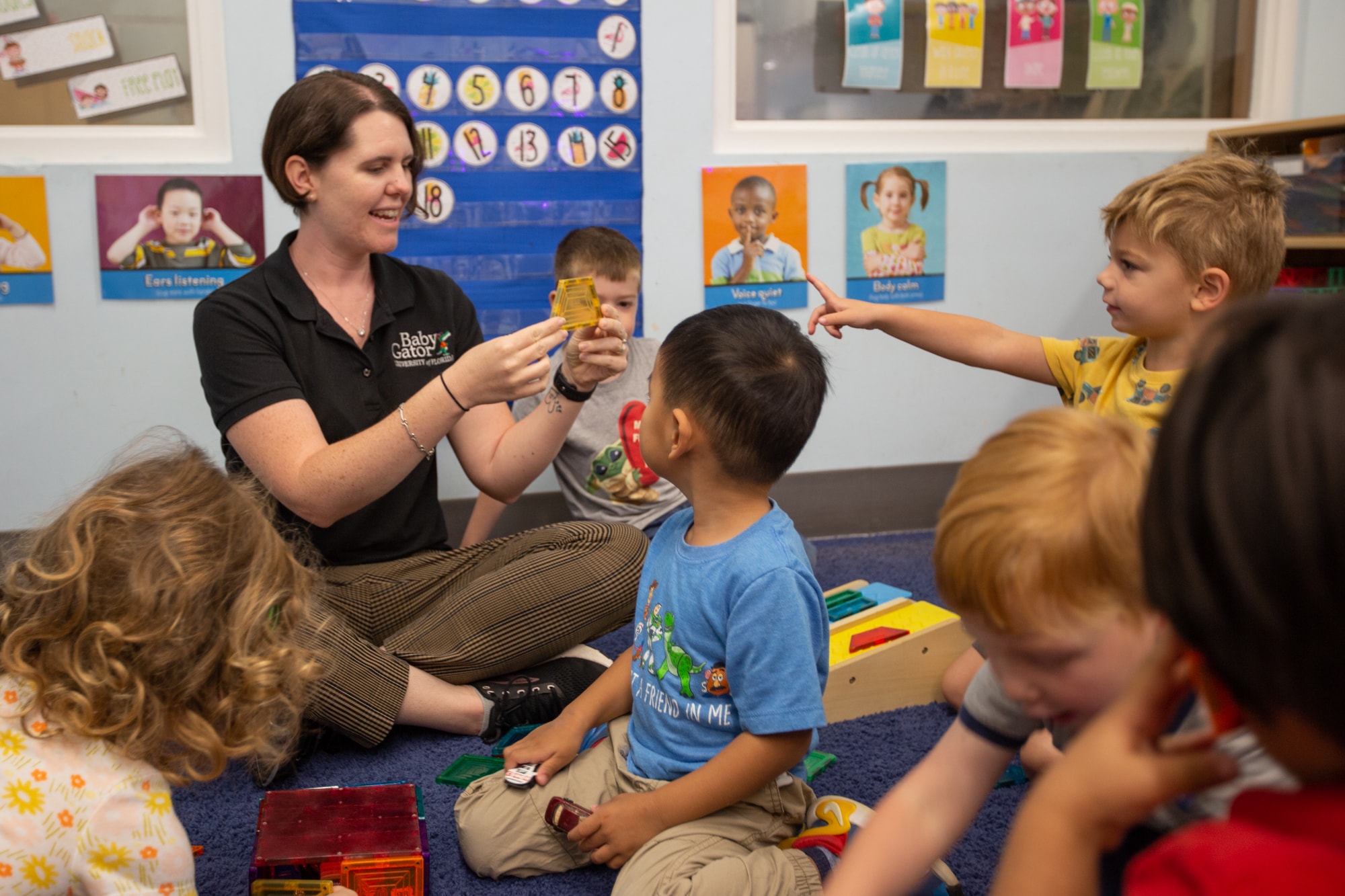
Anita Zucker Center for Excellence in Early Childhood Studies
The Anita Zucker Center for Excellence in Early Childhood Studies is a transdisciplinary center at the University of Florida. Our work is dedicated to advancing knowledge, policy and practices in early childhood studies. Early childhood studies is a transdisciplinary field focused on young children birth to age five, their families and the contexts that support their health, development, learning and well-being.
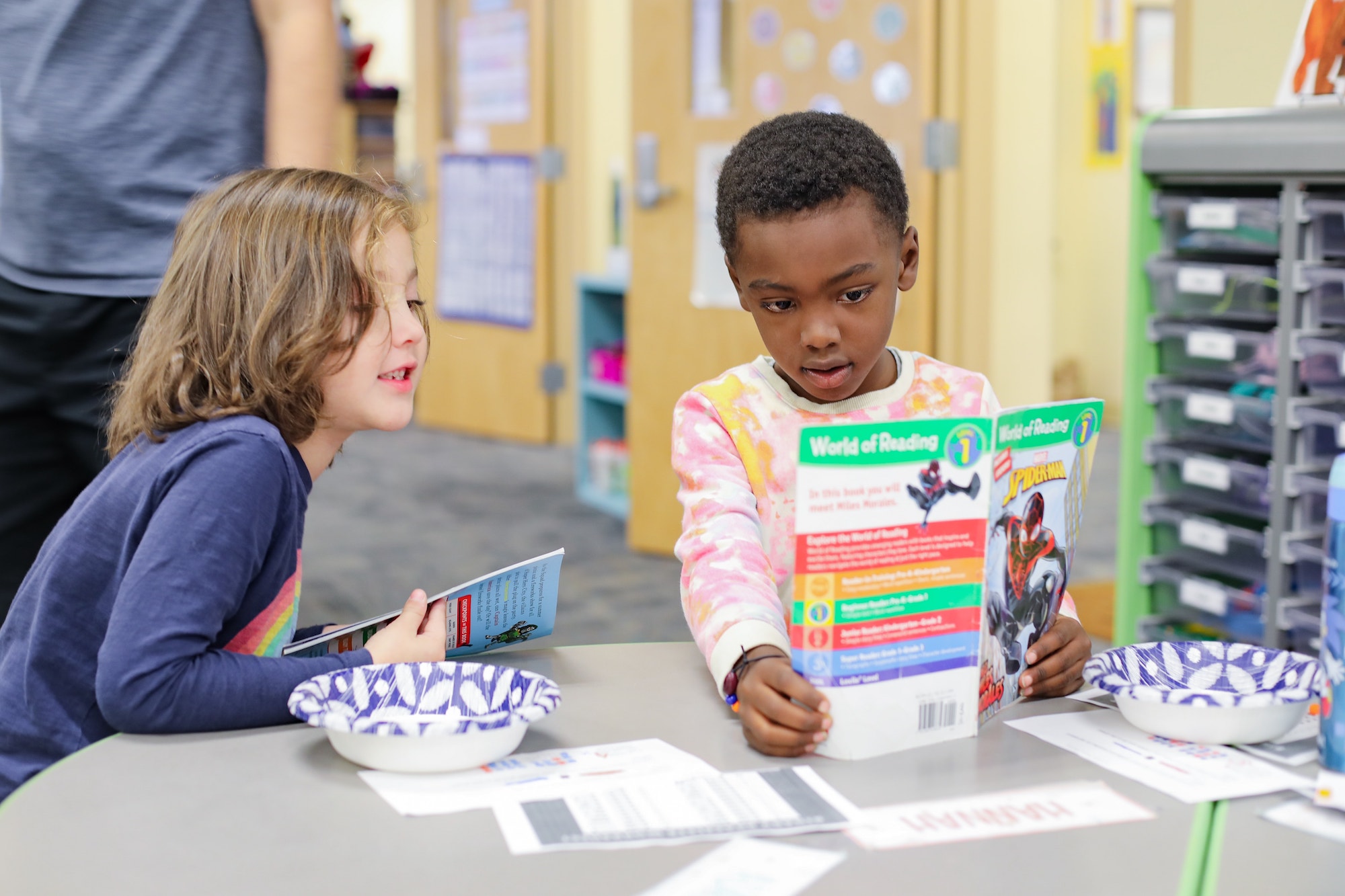
Collaboration for Effective Educator Development, Accountability and Reform Center (grant-funded center)
CEEDAR stands for “Collaboration for Effective Educator Development, Accountability, and Reform.” Our mission is to support students with disabilities in achieving college- and career-ready standards by building the capacity of state personnel preparation systems to prepare teachers and leaders to implement evidence-based practices within multi-tiered systems of support.
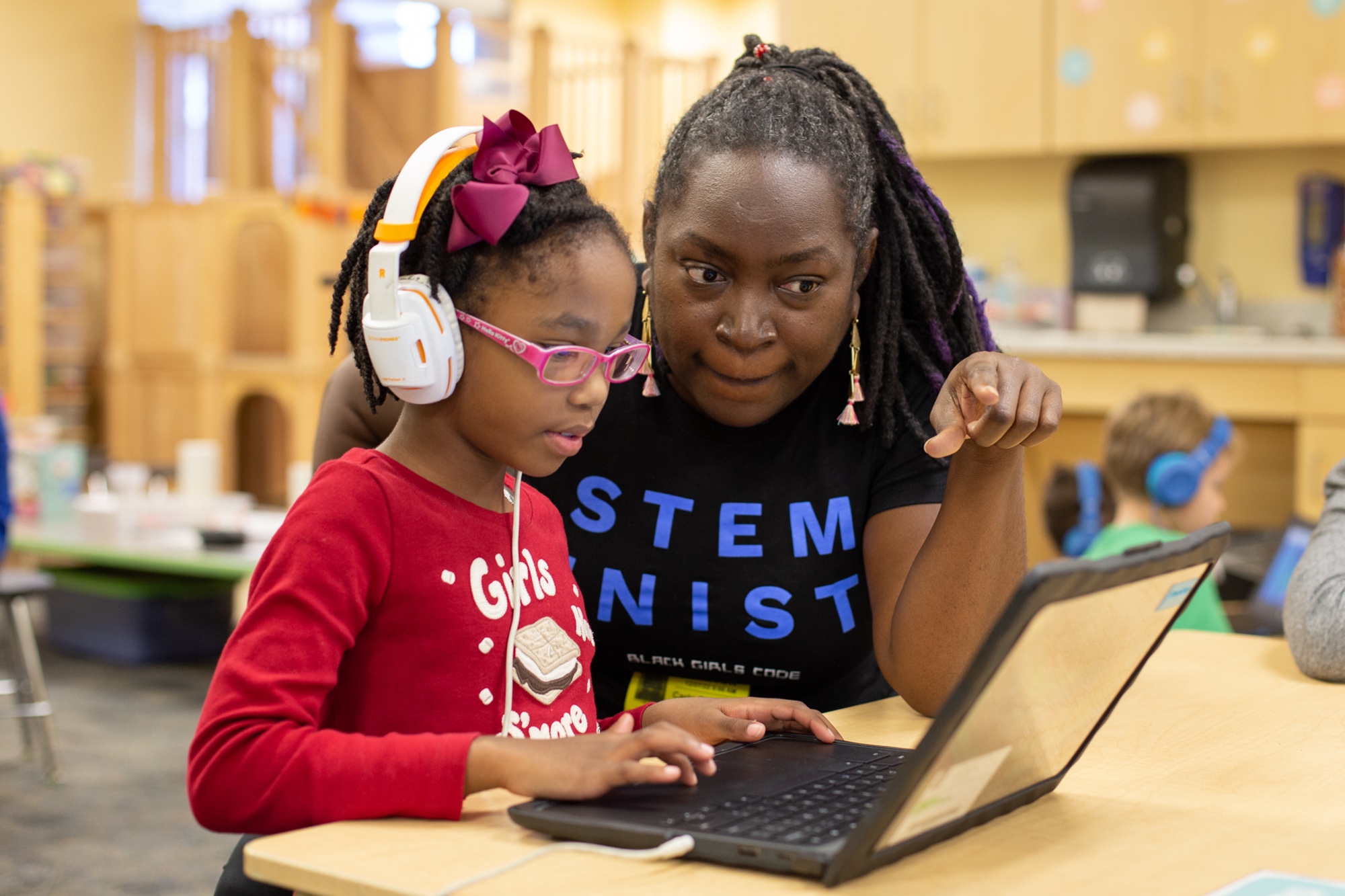
CSEveryone Center
The CS Everyone Center for Computer Science Education was created to boost teachers’ capabilities around computer science (CS) and artificial intelligence (AI) education, responding to student demand and preparing the workforce of tomorrow. Teachers across Florida and the nation, regardless of their subject area, will have access to professional development and resources, enabling them to seamlessly integrate CS and AI into their teaching. Our approaches include the use of instructional best practices to promote participation of all students and the establishment of a network of CS and AI school leaders and professionals in Florida and beyond.
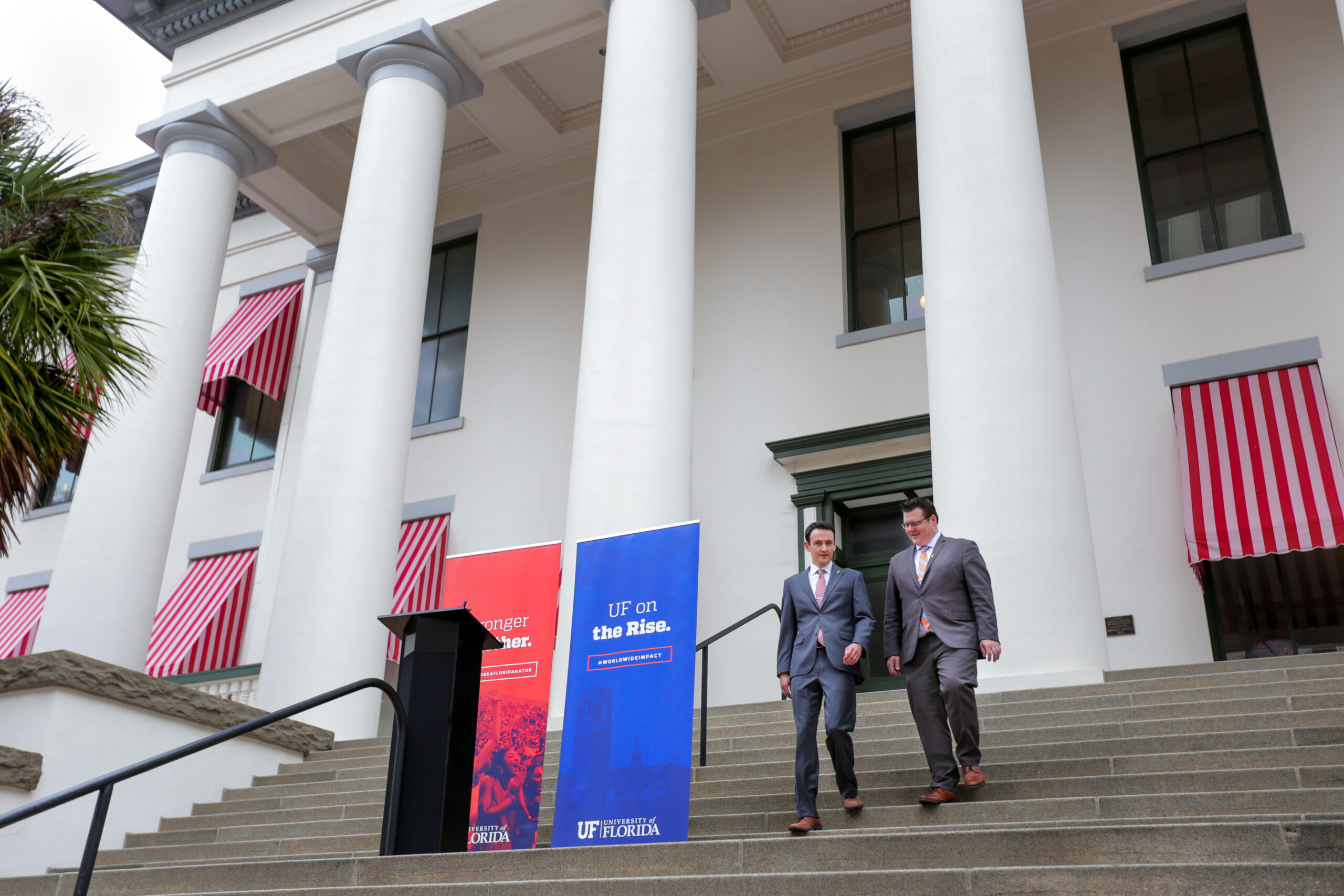
Education Policy Research Center
The Education Policy Research Center (EPRC) is an independent research center housed within the College of Education at the University of Florida that unites interdisciplinary scholars from across the university to provide research needed to inform education policy in meaningful ways. The core researchers are drawn from the fields of education, economics, public policy, political science, and sociology, among others. At its core, EPRC’s mission is to stimulate and support scholarly research on relevant and timely education policy issues and to disseminate the findings widely to students, educators scholars, and policymakers.
Institute for Advanced Learning Technologies
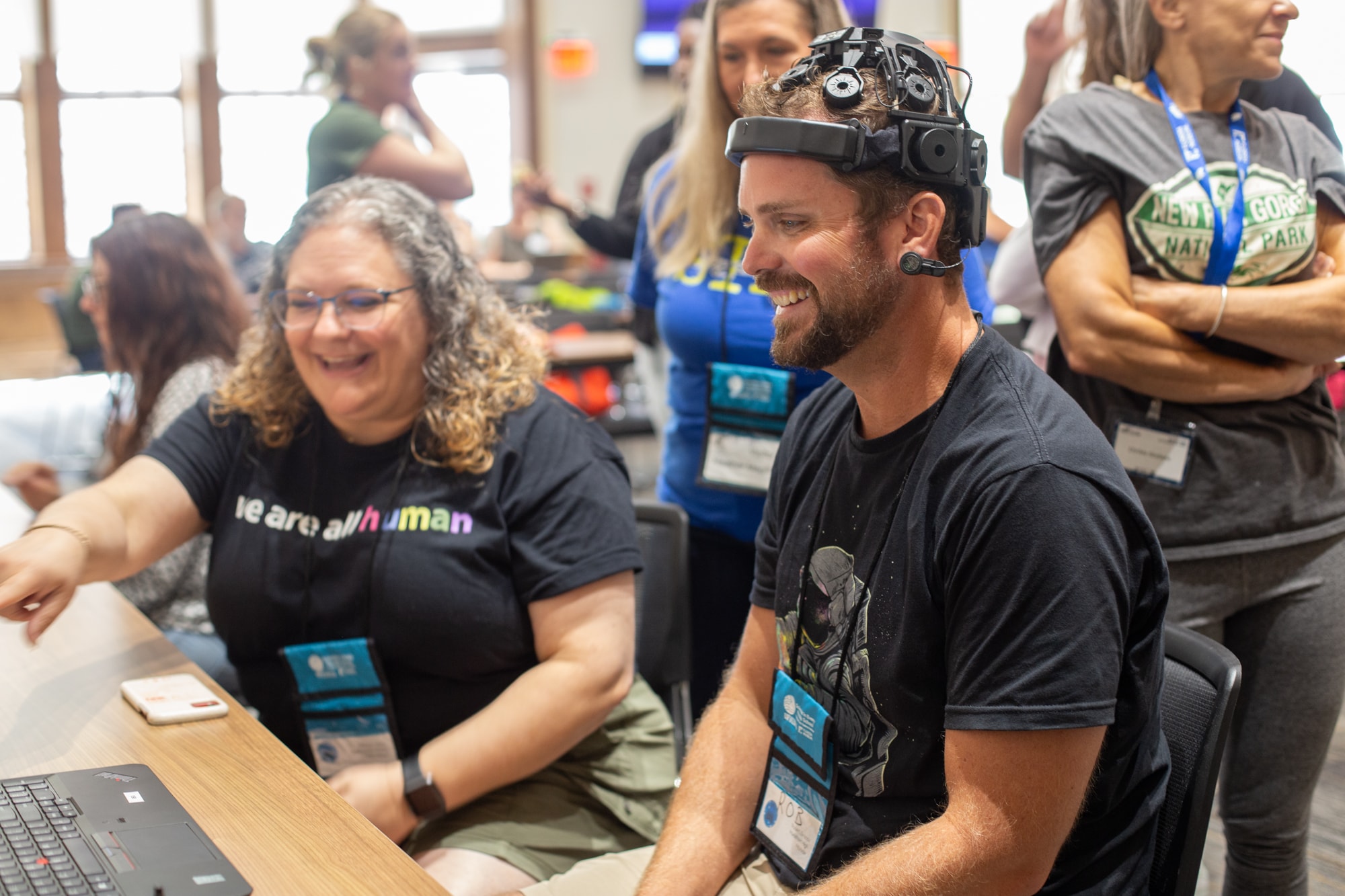
To cultivate wide-reaching implications for every member of our society, UF researchers are working at the intersection of data mining, computational psychometrics, machine learning and artificial intelligence to dramatically improve learning outcomes and to transform education, in both concept and practice.

Institute of Higher Education
Founded in 1968, the Institute of Higher Education (IHE) at the University of Florida conducts cutting-edge research and offers data-driven recommendations for higher education administrators and policymakers seeking to better understand the critical problems facing higher education at the local, state, and national level. IHE partners with individual colleges and state systems to provide rigorous and innovative assessment of current practices and policies aimed at improving student access and success, with a special emphasis on partnering with Florida College System institutions. This aim will focus primarily on the development of applied research initiatives designed to provide evidence-based solutions to problems facing higher education leaders and policymakers.
Lastinger Center for Learning
The University of Florida Lastinger Center for Learning improves the quality of teaching, learning, and childcare. We research, develop, and scale educational innovations for adults and children that put all learners on trajectories for lifelong success.
P.K. Yonge Developmental Research School
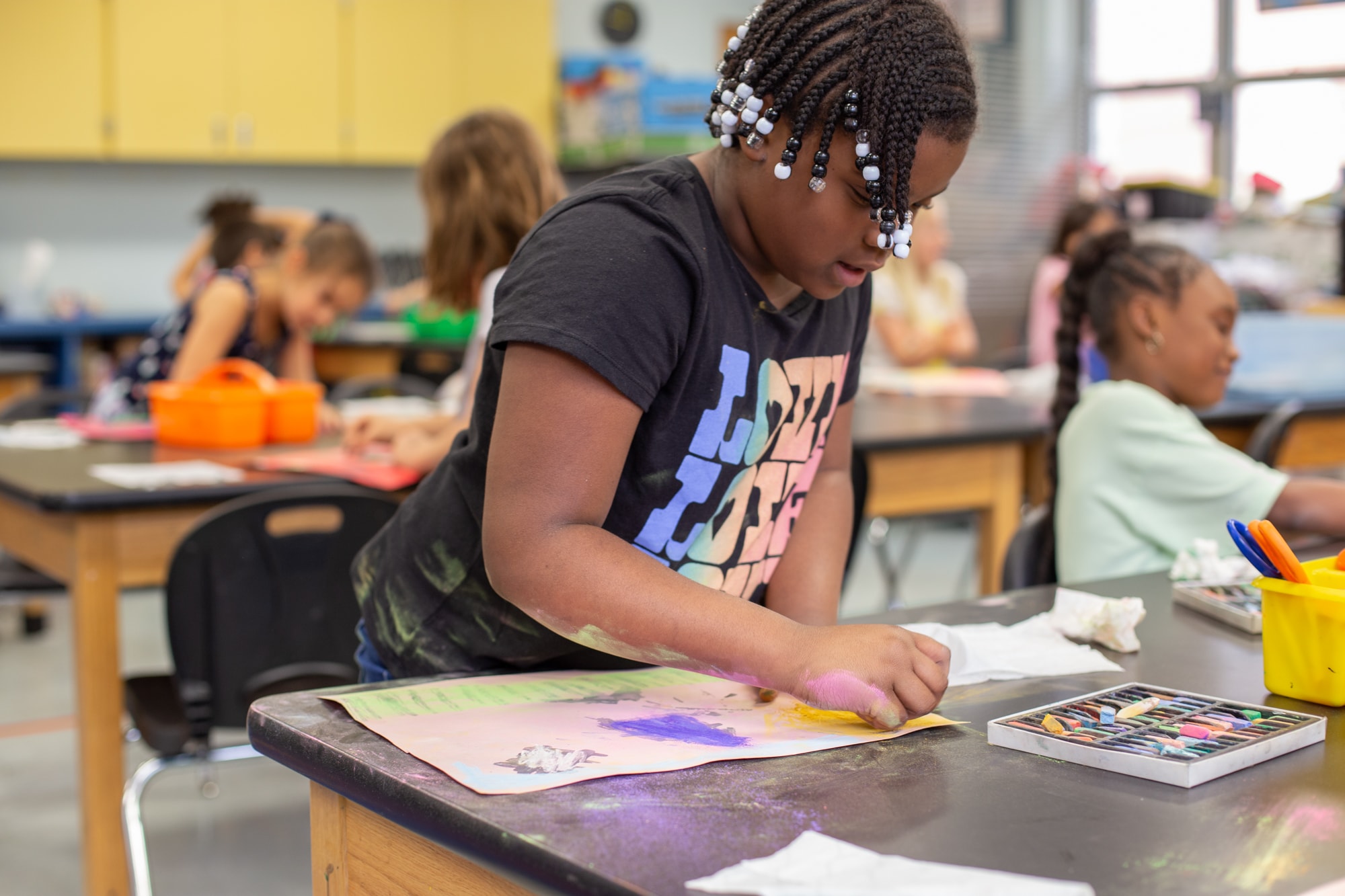
To cultivate wide-reaching implications for every member of our society, UF researchers are working at the intersection of data mining, computational psychometrics, machine learning and artificial intelligence to dramatically improve learning outcomes and to transform education, in both concept and practice.

Prevention and Intervention Network
At the University of Florida’s Prevention and Intervention Network (PIN) we are dedicated to improving the health and well-being of children and youth. Through impactful research, training and engagement, we strive to be a primary, reliable resource for prevention and intervention science.

University of Florida Literacy Institute
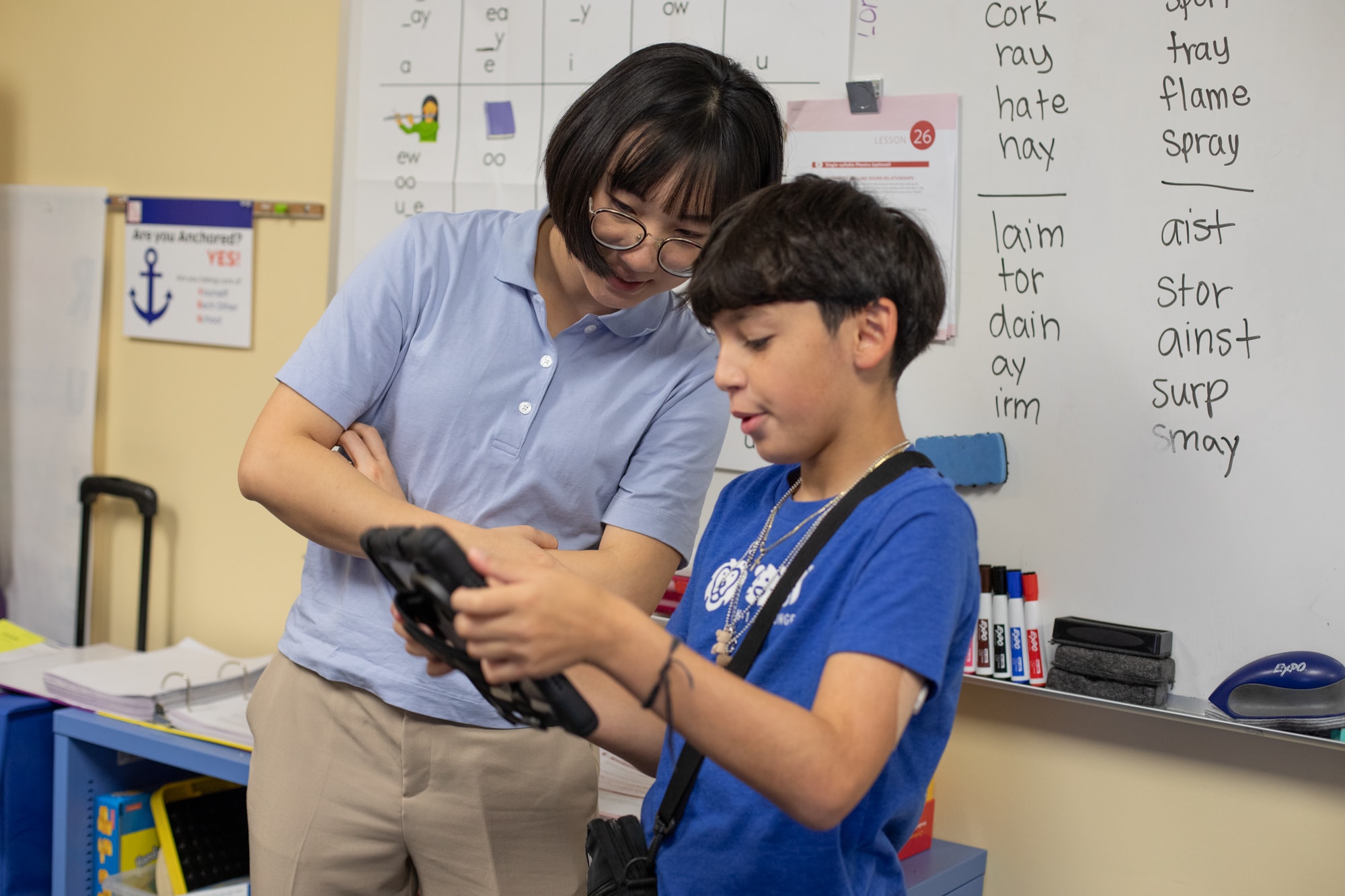
The University of Florida Literacy Institute (UFLI – pronounced “you fly”) is an ongoing effort by UF faculty and students to improve literacy outcomes for struggling students by addressing two key areas: reader development and teacher development. UFLI began in 1998 as a tutoring model for struggling beginning readers, but it now encompasses a variety of literacy projects, including tutoring and instructional models for struggling readers, assistance to schools and school districts, and teacher education and professional development.
Prevention and Intervention Network
Founded in 1968, the Institute of Higher Education (IHE) at the University of Florida conducts cutting-edge research and offers data-driven recommendations for higher education administrators and policymakers seeking to better understand the critical problems facing higher education at the local, state, and national level. IHE partners with individual colleges and state systems to provide rigorous and innovative assessment of current practices and policies aimed at improving student access and success, with a special emphasis on partnering with Florida College System institutions. This aim will focus primarily on the development of applied research initiatives designed to provide evidence-based solutions to problems facing higher education leaders and policymakers.