

Program Offerings
The Research and Evaluation Methodology (REM) program offers doctoral (Ph.D.) and masters (M.Ed. and M.A.E.) degrees, a graduate minor, and an undergraduate specialization to students interested in methodology, measurement, evaluation, psychometrics, statistics, and artificial intelligence for educational research.
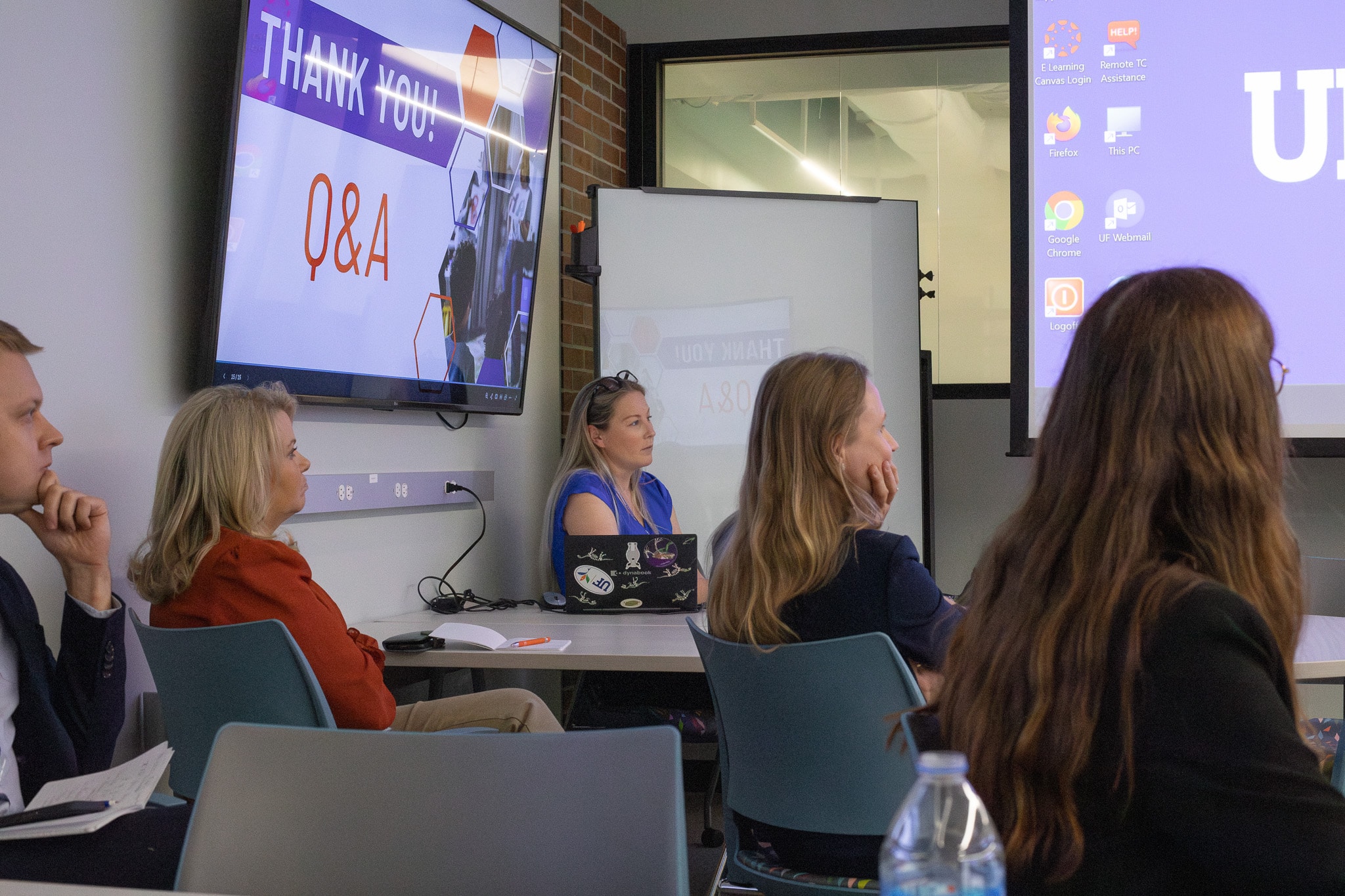
On-Campus Ph.D.
Doctorate Program
his program is ideal for students who have completed a master’s degree and want to pursue further training in research and evaluation methodology.

On-Campus M.ED.
Master’s Program
This program is ideal for individuals interested in flexible professional preparation in research design and data analysis with an abundant choice of electives.

Online M.Ed.
Master’s Program
This program is ideal for individuals with a strong interest in research design and analysis of educational data who want a remote learning experience.
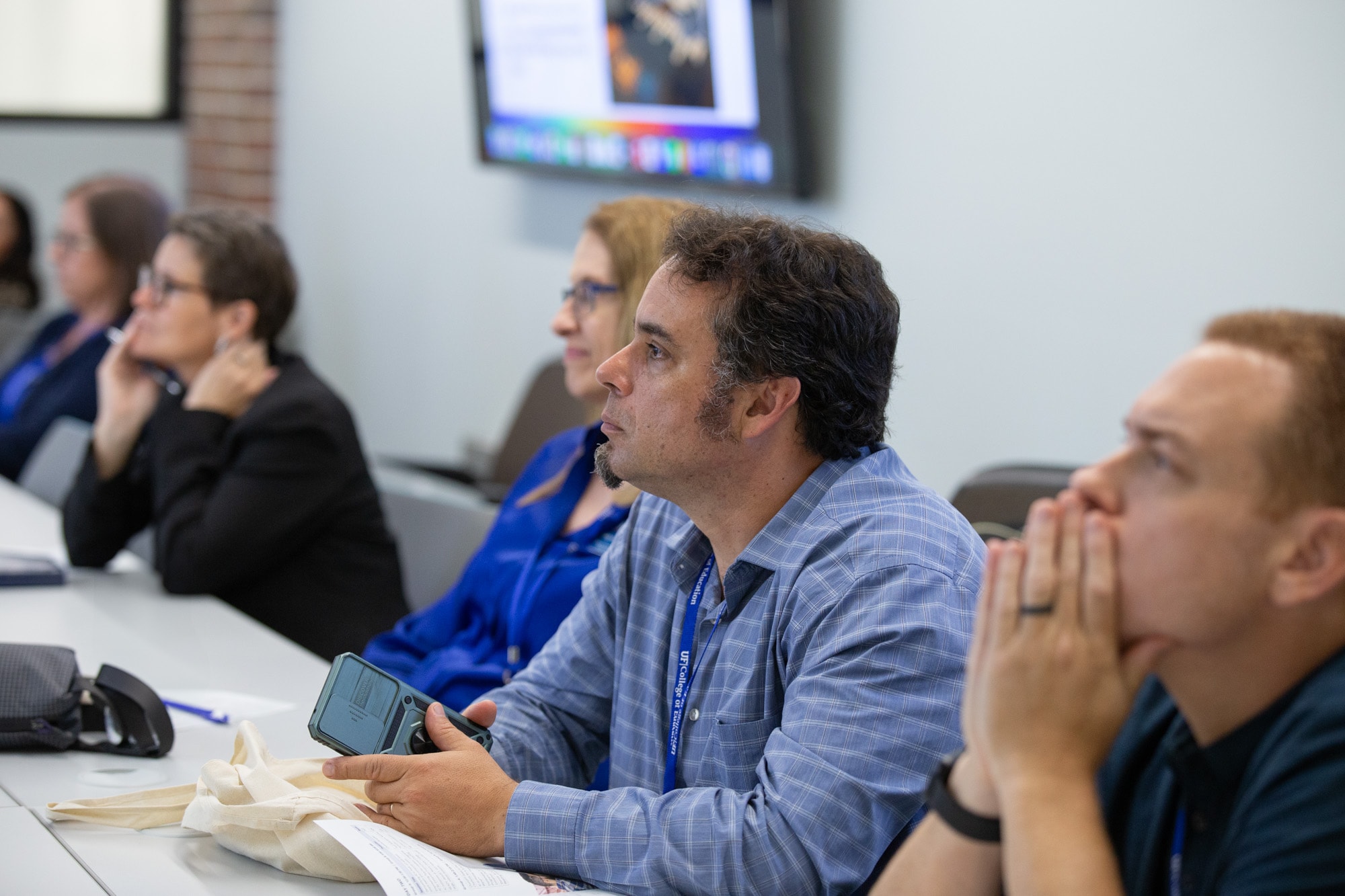
On-Campus M.A.E.
Master’s Program
This program is ideal for students interested in strong academic preparation in research and evaluation methodology as a step towards a doctoral degree.
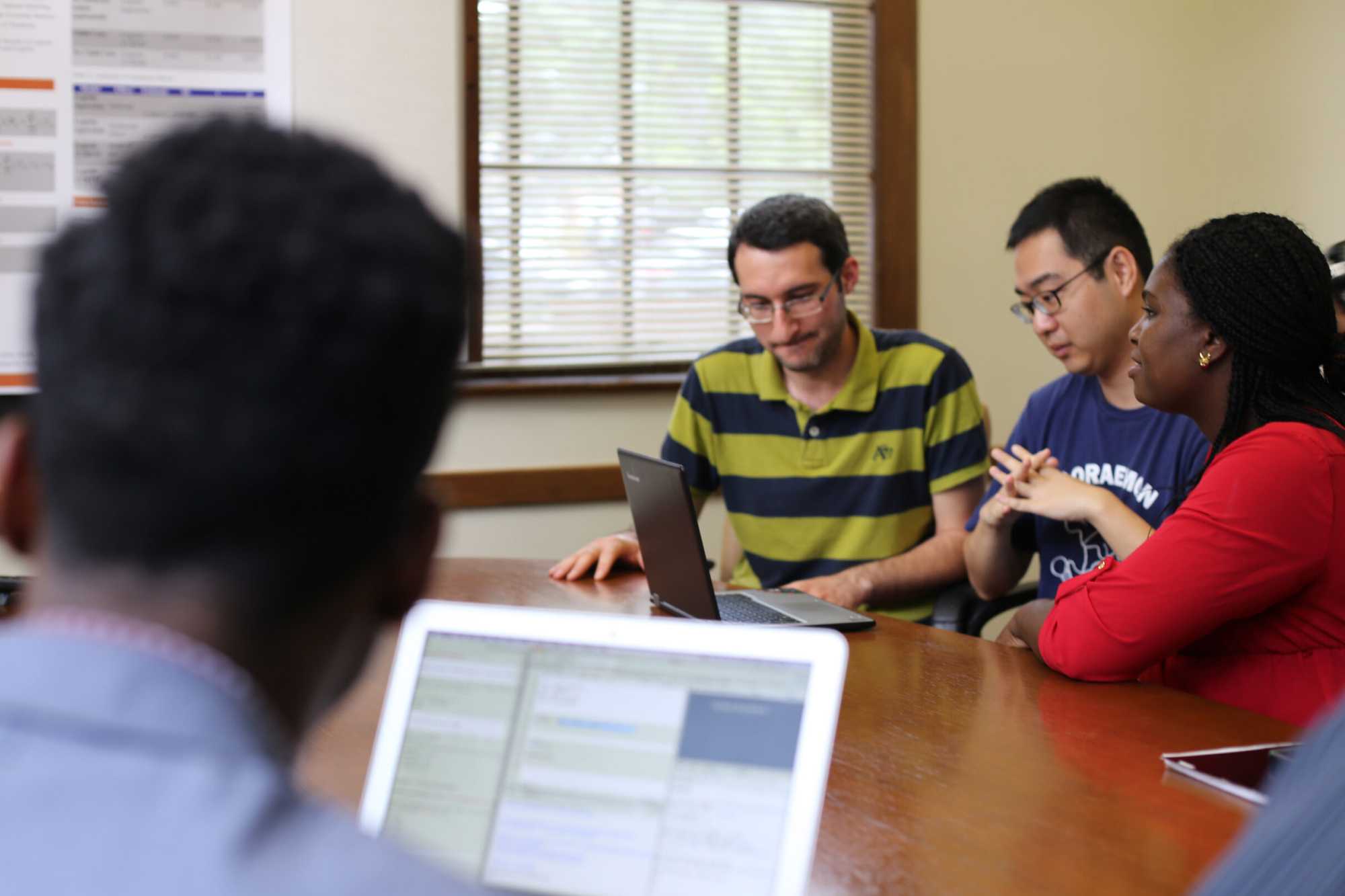
Online M.A.E.
Master’s Program
This program is ideal for professionals that are interested in meeting the high demand for well-trained specialists in program evaluation, particularly in educational settings.

Research Evaluation Methods
Graduate Minor
The minor in REM with a quantitative focus adds a strong foundation in research methods, educational statistics, and psychometrics. The minor in REM with a qualitative focus adds a strong foundation in epistemologies, research approaches, and data collection and analysis methods suitable for qualitative inquiry.

Research and Evaluation Methodology
Undergraduate Specialization
The on-campus or online research evaluation methods BAES program specialization is an introduction to designing quantitative and qualitative research studies
Why We’re Different
Students are involved in multidisciplinary grant-funded research projects.
Students obtain experiences with data from multiple areas of educational research.
Students choose personalized pathways across methods, statistics, psychometrics, evaluation, and AI.
Program Highlights
Dr. Shin publishes paper using computational linguistic tools to understand pedagogical discourse in online video lectures in Algebra classes
Despite the proliferation of video-based instruction and its benefits—such as promoting student autonomy and self-paced learning—the complexities of online teaching remain a challenge. To be effective, educators require extensive training in digital teaching...
Research Results Shared at the Learning @ Scale Conference in Copenhagen
Dr. Walter Leite will present the latest research results of the Virtual Learning Lab at the Learning @ Scale Conference (L@S2023) in Copenhagen, July 20-22 How teachers influence student adoption and effectiveness of a recommendation system for Algebra Advanced...
Dr. Walter Leite Provides Tutorial on Sensitivity Analysis Methods
Dr. Walter Leite will provide a tutorial on sensitivity analysis methods for structural equation modeling at the Modern Modeling Methods Conference, June 26-28, University of Connecticut. A Tutorial on Methods for Sensitivity Analysis to Omitted Confounders in...